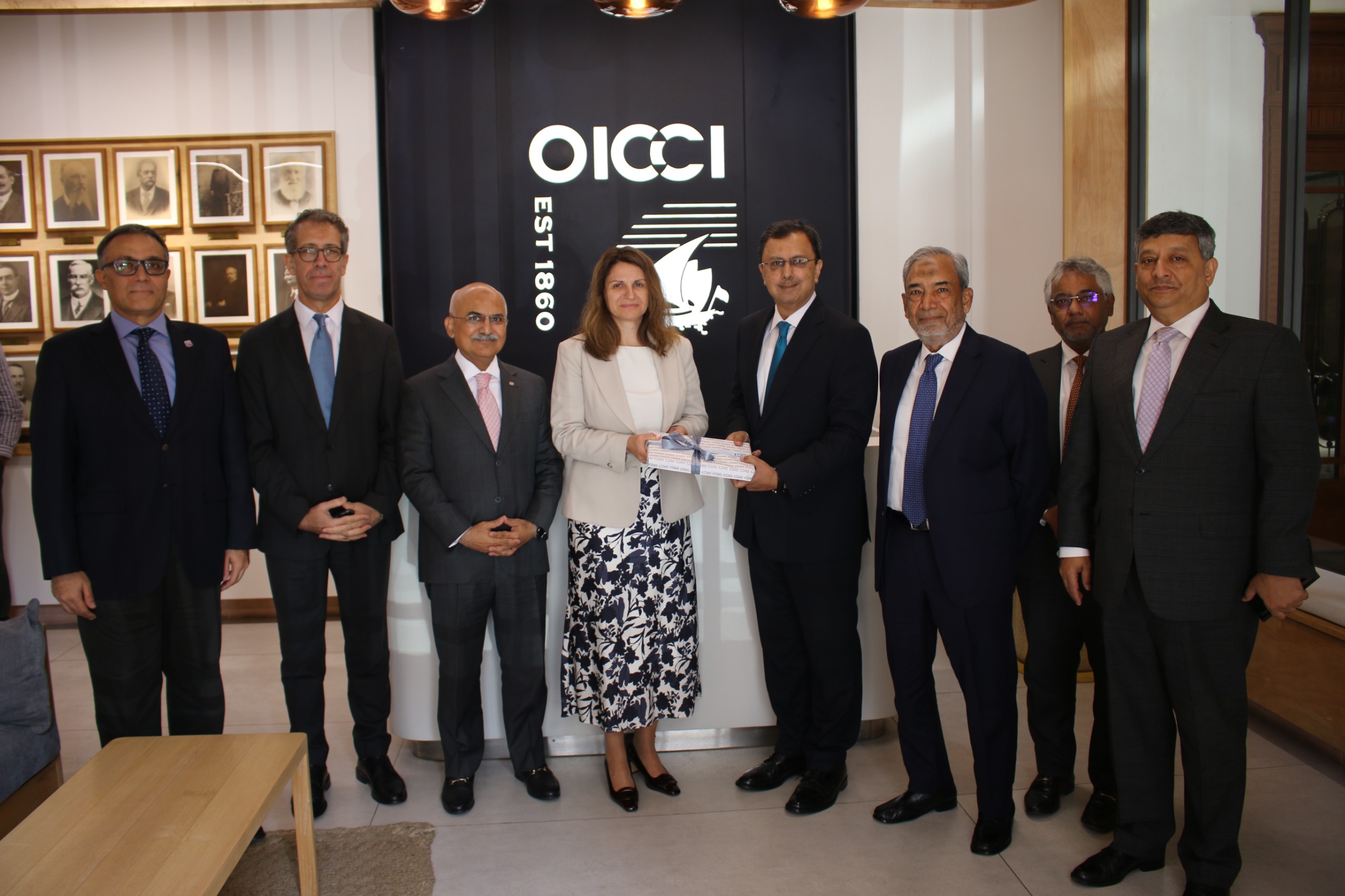
The Overseas Investors Chamber of Commerce and Industry (OICCI) has called for Pakistan to use the gains from macroeconomic stabilisation to accelerate private investment, exports, energy security and structural reforms during a meeting with a visiting International Monetary Fund (IMF) delegation.
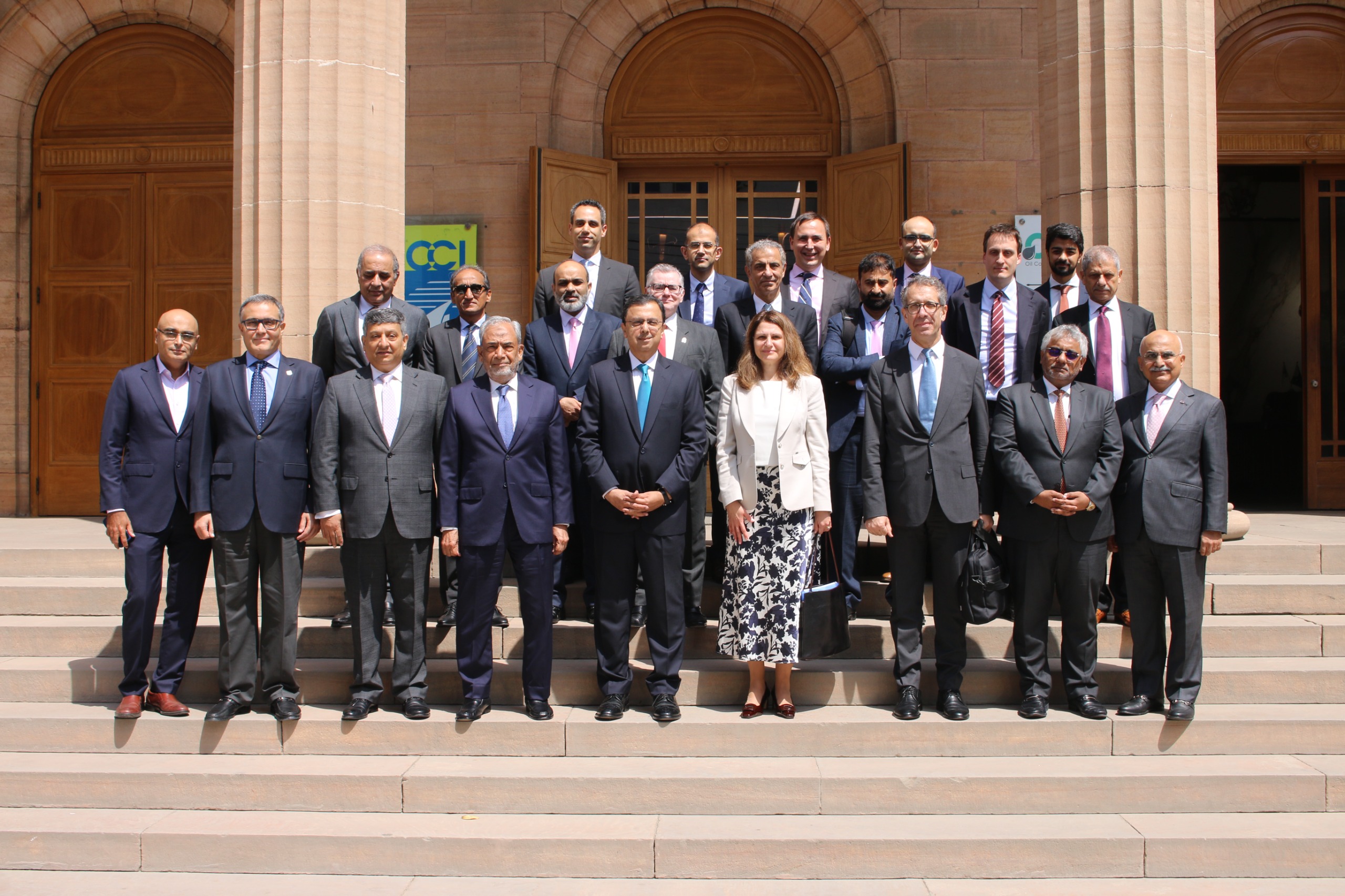
The delegation, comprising Iva Petrova, Advisor, Middle East and Central Asia Department, IMF, and Mahir Binici, Resident Representative, IMF, met senior OICCI leadership and representatives of member multinational companies at the Chamber on Thursday.
The Chamber highlighted the decline in FDI despite improvements in Pakistan’s external position and sovereign credit profile, noting that net FDI fell by around 32 per cent to $1.7 billion in FY26. OICCI called for lower regulatory and compliance burdens, stronger investor protection and clearer coordination among federal and provincial authorities. It also emphasised that domestic industry must lead by reinvesting in Pakistan, as foreign investors take cues from the confidence demonstrated by local businesses.

Amid higher oil prices linked to the Middle East conflict, OICCI called for immediate energy conservation and a medium-term plan for greater energy self-sufficiency. It also called for a coherent energy security strategy covering power, gas and petroleum, citing high regional energy costs, circular debt, the need for investment in refining and opportunities for regional energy cooperation.
On the external sector, OICCI stressed that Pakistan cannot sustain higher growth without expanding its capacity to earn foreign exchange. It called for greater competitiveness and productivity, stronger export-oriented sectors, deeper trade and investment ties with key markets and greater regional trade where commercially viable.
On structural reform, the Chamber called for faster SOE reform and credible privatisation where continued state ownership has no compelling policy rationale. It also urged separation of the state’s roles as policymaker, regulator, facilitator and commercial operator to create greater space for private-sector investment and competition.
The Chamber further called for broadening taxation into under-taxed segments, including agriculture, real estate, SMEs and retail, rather than repeatedly increasing the burden on documented businesses.